
Forget the EV Discounting Narrative: Used Electric Car Market One of the Healthiest Segments
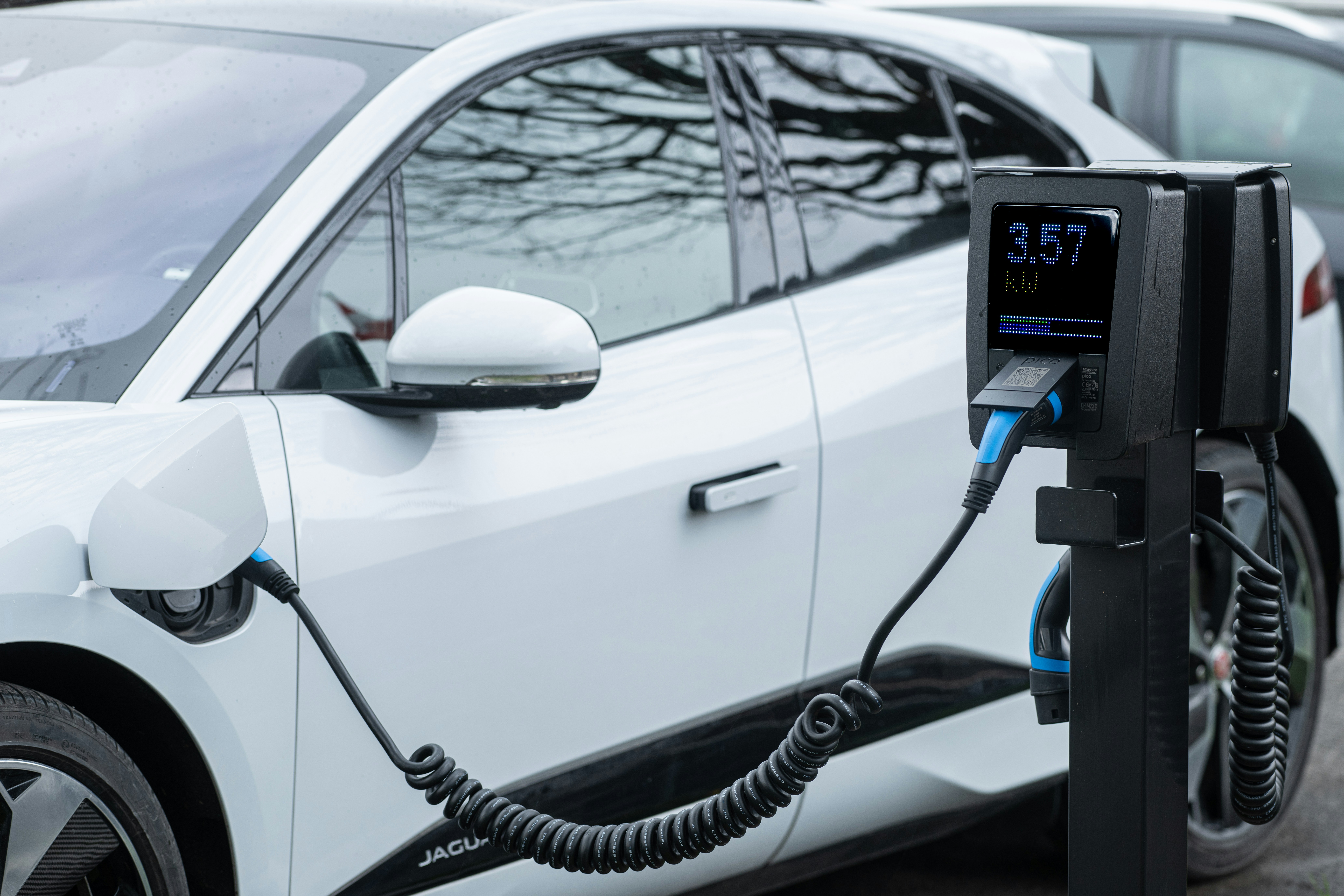
The used electric car market is one of the strongest-performing used segments right now, despite a widespread assumption that EV discounting applies equally to new and used inventory. That assumption is costing stores margin and turn.
The used electric car market is the segment of pre-owned vehicle sales made up of previously owned battery-electric vehicles, tracked through pricing, turn rate, and demand trends relative to new EVs and other used vehicle classes.
That distinction matters because the two segments are behaving very differently right now. New EV discounting is real. Used EV turn data tells a different story, and the evidence comes from dealer-side pricing, aging, markdown, and velocity patterns across 26,000-plus dealers, not buyer surveys or consumer sentiment reports.
That's the kind of data that holds up in a used car meeting, and you'll have it by the time you finish reading.
Key Takeaways
- Rising used EV prices alongside strong sales growth signal earned demand, not the discount dependency that defines the new EV market right now.
- Markdown frequency across dealer lots reveals used EV demand strength more reliably than shopper surveys, since it tracks actual inventory movement.
- Used EVs turning as fast as, or faster than, other used segments contradicts the assumption that electric inventory sits longer and needs deeper cuts.
- Treating used EVs as a discount-dependent risk category can cause dealers to misprice inventory that's actually earning demand on its own.
- Dealer-side aging and turn data reveal which used EV VINs are earning demand and which are exceptions, so stocking decisions don't have to rest on segment-wide assumptions.
New EV Price Cuts vs. Used EV Markdowns
New EV discounting isn’t a reliable basis for pricing used EV inventory, because the two segments are moving in opposite directions for different reasons, per Q2 Vincensus data.
New EVs are leaning on incentives and price reductions to move volume, while used EVs currently earn demand with rising prices and the lowest markdown rate of any used segment tracked. Line up the two segments side by side, and the counter-narrative gets concrete: New EVs are buying volume, and used EVs are earning it.
Metric | New EVs (Q2 2026) | Used EVs (Q2 2026) |
|---|---|---|
Price movement | Down 12% YoY to $48,144 (Q2 Vincensus) | Up 10% QoQ, up 9% YoY to $31,790 (Q2 Vincensus) |
Volume driver | OEM incentives and price reductions | Organic shopper demand |
Sales trajectory | Volume gains tied to discounting activity | Sales up 23% QoQ |
Markdown rate | Elevated; incentive-dependent | 34% of units sold with a markdown |
Pricing posture | OEM-driven reductions to clear supply | Dealers holding price; Inventory Health Survey confirms discipline |
The markdown-rate line is the one that should change how you think about this segment. Only 34% of used EVs sold with a markdown in Q2, and the Inventory Health Survey confirms that dealers are holding price on used EVs. A segment where disciplined pricing holds is a segment worth understanding on its own terms.
Compare that to what's driving new EV volume. New EV prices are down 12% year-over-year, with OEMs pushing incentives to clear supply. The volume gains are real, but they're purchased gains. Demand isn't pulling those vehicles off the lot at full price.
Used EV prices moved in the opposite direction: up 10% quarter-over-quarter (QoQ) and 9% year-over-year to an average of $31,790, while sales climbed 23% QoQ. Rising prices alongside rising sales signal that demand is outpacing available supply.
The practical implication for your used EV stocking decision is straightforward. When a segment shows volume growth, price appreciation, and a markdown rate well below what most used categories carry, the risk profile changes. You're holding inventory that buyers are actively seeking at prices you set.
A VIN sitting at Day 25 with declining VDP engagement is a different conversation than a fresh acquisition in a trim turning in under two weeks. The segment-level data tells you the floor is stable. The VIN-level data tells you which specific units are performing and which ones need attention before they become a margin problem.
New EV discounting is its own story. Applying it to used EV pricing decisions ignores the fact that the two segments are moving in opposite directions for different reasons.
How Fast Used EVs Turn on Dealer Lots
Used EVs are moving at least as fast as other used segments on dealer lots right now, and in some price bands faster, according to Q2 Vincensus data. This directly contradicts the assumption that electric inventory sits longer and erodes margin.
Used EV Days to Turn Compared to Other Used Segments
Used EVs are turning faster than other used powertrain segments on your lot right now.
Q2 2026 Vincensus data shows only 35% of used EV inventory crossed the 30-day aging threshold, compared to 45% for both used hybrids and internal combustion engine (ICE) vehicles.
Sales growth reinforces that reading. Lower aging alongside rising sales points to active shopper demand.
If used EVs were moving simply because there weren't many of them, you'd expect flat or declining sales volume. Both metrics are moving in the right direction simultaneously. That's a demand story, and your stocking decisions should be anchored to it.
Demand Signals That Show Up Before the Sale
VIN-level demand weakness shows up well before a unit ages into markdown territory or surfaces on a traditional aging report. The signals arrive early, if you know where to look.
On any used EV VIN, watch for these leading indicators:
- Declining vehicle detail page (VDP) activity or session volume
- Search-position deterioration against competing listings
- Rising competitive supply in your local market
- Declining leads tied to that specific unit
- Trim-level demand shifts away from your configuration
- Price-position drift relative to active comps
When these signals diverge from the segment's engagement curve, that's the window Lotlinx calls the 15-Day Warning: the point at which a pricing or stocking decision still protects margin.
LotGPT reads your live inventory feed, customer relationship management (CRM), and GA4 signals to surface exactly this pattern by VIN. Your general sales manager or used car manager can act on one unit without touching the rest of your EV inventory.
What Used EV Performance Means for Stocking Decisions
Current turn rates and low markdown reliance support selective used EV acquisition at current prices, not a defensive strategy built around discount exposure. The three sections below break this down by unit economics, early aging signals, and VIN-specific promotion, so you can manage weak performers as exceptions rather than writing off the segment.
Which Used EV Units Earn Their Floorplan Dollars
A used EV earns its floorplan dollars when its price band, mileage, and age on lot align with healthy local turn behavior.
Segment-wide demand strength doesn't protect an individual VIN. A unit priced above your local market's absorption band or carrying high mileage relative to comparable listings will age past the point where margin covers carrying cost, even in a segment showing solid turn rates.
The 15-Day Warning threshold changes the math here. A used EV following the segment's healthy pattern carries a predictable cost-per-day. A unit that crosses Day 15 without meaningful VDP engagement becomes a separate capital problem, one that compounds daily until you act on it at the VIN level.
Using the 15-Day Warning to Catch Aging Used EVs
A used EV triggering the 15-Day Warning is a VIN diverging from otherwise healthy segment performance. So fix the unit: Reprice it, refresh the photos, or redirect spend to its VDP.
One underperformer shouldn't drive a broad decision to reduce your used EV exposure when the rest of the segment is still earning its floorplan dollars.
Directing Ad Spend to the Right Used EV VINs
Ad spend on used EVs should go to the specific VINs showing weakening demand. Blanketing your EV inventory with promotion wastes budget on vehicles already earning organic shopper interest.
Pull up LotGPT and ask which used EV VINs qualify for a price hold versus which ones need active intervention. That single question separates the units you protect from the ones that need a push before they cross into markdown territory.
Once you have that list, VIN Manager routes promotion VIN-by-VIN toward the at-risk units, directing low-funnel shoppers straight to those VDPs before aging forces a margin-eroding price cut. The units already moving on their own stay out of your paid spend entirely.
Stop Discounting the Segment That's Working
Used EVs are turning faster than gas-powered segments and holding price without the incentive pressure defining the new EV market right now. The turn data and markdown rates make that case.
See which used EVs on your lot have earned a price hold and which need a push: Pull up your used EV VINs in LotGPT.
Frequently Asked Questions
Are used EVs losing value faster than used gas-powered vehicles?
Used EVs are not depreciating faster than used gas-powered vehicles right now, despite that being a common assumption. Dealer-side data from Q2 Vincensus shows used EV prices rising alongside strong sales growth, with the lowest markdown rate of any used segment tracked. That pattern points to earned demand.
Do used EVs sit longer on dealer lots than other used inventory?
Per Q2 Vincensus turn-rate data, used EVs are moving at least as fast as comparable used segments and faster in some price bands. The assumption that electric inventory sits longer and requires deeper cuts to move is not supported by current dealer-lot data.
What should a dealer do if a specific used EV VIN isn't following the broader market trend?
A used EV VIN that is aging or requiring markdowns despite strong segment-wide demand is an exception. That typically points to VIN-specific factors like trim, mileage, or local demand. LotGPT can surface which specific VINs are underperforming so a GM can address the individual unit instead of second-guessing the whole used EV strategy.
Do regional differences affect how used EVs perform on dealer lots?
Regional EV adoption rates influence how quickly used EVs turn on a given lot. Markets with established charging infrastructure and higher EV familiarity tend to see used EVs move faster and hold price better. Dealers in lower-adoption regions should weigh local demand signals before treating used EVs as automatically low-risk inventory.
Share this post: